






A child who happily shouts, “Three ducks!” during story time is doing more than repeating a number. That child is connecting words, quantities, rhythm, memory, and meaning all at once. That is why learning how to teach counting through stories can be so effective for young children, especially when you want math to feel warm, playful, and part of everyday life.
For many preschoolers and kindergartners, counting becomes easier when it lives inside something they already love – a funny character, a repeating phrase, a page they can predict, or a read-aloud they want to hear again. Stories slow counting down. They give numbers a reason to matter. Instead of asking a child to recite 1 through 10 on command, you invite them to count apples in a basket, animals on a path, or splashes in a pond. That small shift often changes everything.
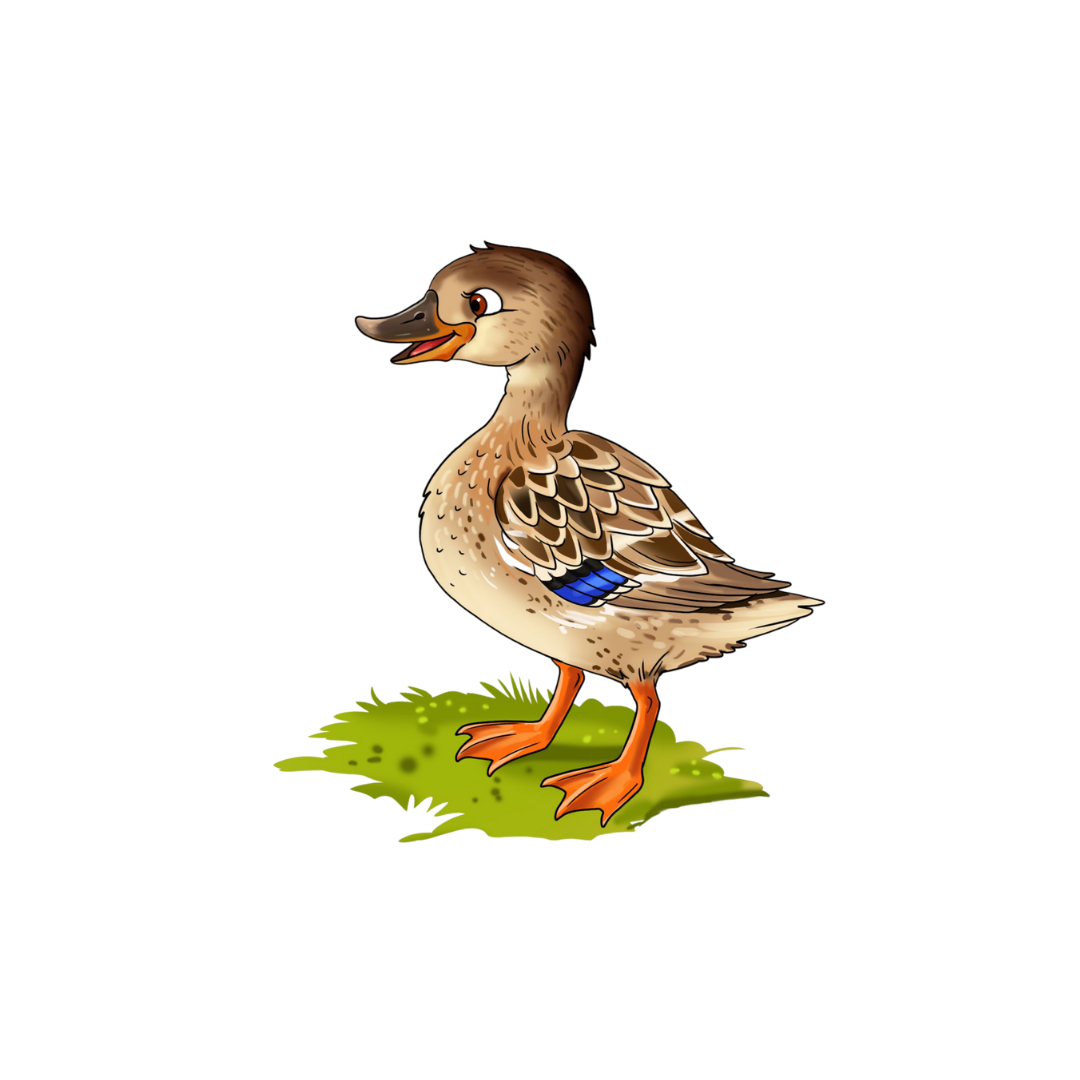
Hearing ‘happy shouts’ is exactly why I wrote Dilly Duck Plays All Day!
Why stories help children understand numbers
Counting is not just memorizing number words in order. Young children also need one-to-one correspondence, which means touching or noticing one object for each number said. They need to understand that the last number counted tells how many there are. They also need practice seeing that numbers describe real groups of things.
Stories support those ideas naturally. A well-written picture book gives children visual cues, repeated patterns, and emotional engagement. When a child cares about what happens next, attention holds longer. That matters because early number learning is built on many small moments of noticing, repeating, and trying again.
This is one reason educators and families are often drawn to story-based learning. Holly DiBella-McCarthy, an award-winning children’s author with a BSW and M.Ed. and a background in special education and early literacy, builds books around this kind of meaningful skill development. Her approach reflects something many parents and teachers see firsthand: children learn deeply when instruction feels connected, relational, and joyful.
How to teach counting through stories in a way that sticks
The goal is not to turn every book into a math lesson. It is to gently pull counting into the reading experience so children absorb it with confidence rather than pressure.
Start by choosing books with clear, countable pictures. Books that show objects in groups, animals on a page, repeated actions, or patterned text work especially well. Rhyming books can be especially helpful because the rhythm supports memory and helps children anticipate what comes next.
As you read, pause just long enough to notice quantities together. You might say, “Let’s count the ducks on this page” or “I see two flowers. Do you see them too?” Keep your tone light. If a child answers incorrectly, there is no need to correct harshly or stop the flow. Just model it again: “Let’s try together. One, two. Two flowers.”
Physical interaction helps too. Children often learn best when they can point, tap, clap, or move. If a page shows five birds, invite your child to tap each bird as you count. If the story repeats a sound three times, clap three times together. This turns passive listening into active number practice.
Repetition is another quiet strength. The first reading may simply build familiarity. The second or third reading is often when counting blooms. Children begin to predict where the counting moment is coming, and that anticipation boosts both confidence and participation.
What makes a counting story work well
Not every picture book supports counting in the same way. Some are ideal for early learners, while others are better for children who already know the basics and are ready for more challenge.
The strongest counting stories usually include visual clarity, repeated structure, and just enough detail to hold attention without overwhelming it. A crowded page can make counting hard for some children, especially those who are still learning how to track one object at a time. On the other hand, a book with too little visual interest may not hold a young listener for long.
It also depends on the child. Some children love bold, silly books with lots of action. Others do better with gentle rhythms and predictable pages. If a child resists counting during reading time, the issue may not be counting at all. It may simply be that the book does not match that child’s style, energy, or developmental stage.
Read-aloud strategies that build real number sense
One of the most useful ways to teach counting through stories is to read once for enjoyment and then read again for interaction. During the first read, let the story breathe. During the second, add prompts such as “How many do you see now?” or “What happens when one more joins them?”
You can also talk about numbers in simple relational ways. If a page shows two frogs and then one jumps away, ask, “Were there more frogs before or after?” That kind of language supports early math thinking without making the moment feel formal.
For children approaching kindergarten, begin mixing counting with comparison. Which page has more? Which has fewer? Are there enough cookies for each character? These are early number concepts hidden inside a familiar story structure.
If you are reading with a group, let children take turns being the counter. Shared reading builds confidence because children hear peers model the number sequence. In classrooms and homeschool settings, this can make counting feel social instead of performative.
Bringing counting beyond the page
Stories become even more powerful when they continue after the book closes. If you read about ducks, count toy ducks in the bath. If a story includes snacks, count crackers at the table. If characters walk up steps, count the stairs in your home.
This carryover matters because children need to see that numbers are not trapped inside worksheets or circle time. Numbers belong to real life. Story-based counting helps bridge that understanding by giving children a familiar narrative anchor and then extending it into the world around them.
Many families and educators also benefit from simple companion activities. Draw three fish from a favorite story. Act out five jumps. Build a tower with the same number of blocks as the animals on a page. These playful extensions reinforce quantity in a hands-on way.
When rhyming books make counting easier
Rhythm and rhyme can lower the cognitive load for young learners. When a child knows how a phrase sounds, it becomes easier to join in, and joining in often leads to noticing patterns, including number patterns.
That is part of what makes story-rich, read-aloud-friendly books so valuable in early learning. Rhyming text creates expectation. Predictable structure invites participation. For many children, especially those who need gentle repetition, that combination supports both literacy and early math skills at the same time.
For families looking for story-centered school-readiness support, Book Chatter Press also offers free educational resources at bookchatterpress.com that can extend read-aloud learning in practical ways. That kind of support can be especially helpful when you want simple, purposeful activities without adding stress to your day.
Extend learning with https://www.amazon.com/Dilly-Duck-Plays-All-Friends/dp/B0C6P8FP5H
Common mistakes to avoid when teaching counting through stories
The biggest mistake is rushing. If you push a child to perform every time you read, story time can start to feel like a quiz. Counting grows best in a relaxed environment where children feel free to try, miss, and try again.
Another common issue is focusing only on recitation. A child may say numbers to 20 and still struggle to count five objects accurately. During story time, it helps to slow down and connect each number word to one picture or one action.
It is also wise to avoid overloading the page with too many questions. A few meaningful prompts are better than constant interruption. The story still needs its warmth and wonder. Children learn best when the reading experience stays enjoyable.
Helping different ages and stages
Toddlers may only be ready to count to two or three, and that is perfectly fine. At that stage, the goal is exposure, joyful repetition, and hearing number words in context. Preschoolers can often handle counting larger groups and answering simple “how many” questions. Pre-K and kindergarten children may be ready to compare quantities, notice one more or one less, and connect numerals to counted sets.
Children do not all move at the same pace. Some need many repetitions before they respond out loud. Others count eagerly but skip objects because they are moving too fast. Both are normal. What matters most is steady, encouraging practice.
A child-centered approach always leaves room for relationship. When a child curls into your lap for a story, that feeling of closeness matters too. Counting learned in connection often lasts longer because it is tied to attention, emotion, and trust.
If you want counting to feel less like a task and more like a happy part of the day, start with a good book, a little patience, and a finger ready to point at the pictures together. Sometimes the best early math lesson begins with, “Let’s count what we see.”