




If you have ever watched a preschooler hand you three crackers, point out a big blue truck, or notice that two socks match, you have already seen early math in action. That is why I think a guide to preschool math skills should begin with a comforting truth – math starts long before worksheets, and it grows best through everyday play, conversation, and routine.
In my years as an educator, I learned that many adults feel confident reading stories aloud but get nervous about teaching math. I understand that. Somewhere along the way, math picked up a reputation for being rigid or intimidating. But for young children, preschool math is wonderfully concrete. It lives in snack time, block play, laundry baskets, sidewalk cracks, and bedtime routines.
What a guide to preschool math skills should really focus on
When I talk with families and teachers, I like to shift the goal away from getting children to memorize as many numbers as possible. Preschool math is not mainly about reciting to 20. It is about building number sense – that steady understanding of quantity, comparison, order, pattern, shape, and problem-solving.
A child who counts to 10 by memory may still not know that five crackers means exactly five objects. Another child may only count to six out loud but can split toy bears fairly between two friends. The second child is doing meaningful math. I always encourage adults to look beneath the performance and notice the thinking.
Counting is only one piece
Counting matters, of course, but it is most useful when children connect number words to real objects. I like to encourage one-to-one counting first. That means a child touches or moves each item once while saying one number for each object. This sounds simple, yet it is the foundation for everything that comes later.
One of my favorite preschool moments happened during cleanup. I asked a little boy to put away six blocks. He carefully counted, “One…two…three…four…five…six,” then proudly announced, “I did math!” He was right. Not because he memorized numbers, but because he connected them to something real.
During snack, you might say, “Let’s count your apple slices together.” At clean-up time, “Can you put four cars in the basket?” These moments are far more powerful than drilling numbers in isolation because children can see and feel what the numbers mean.
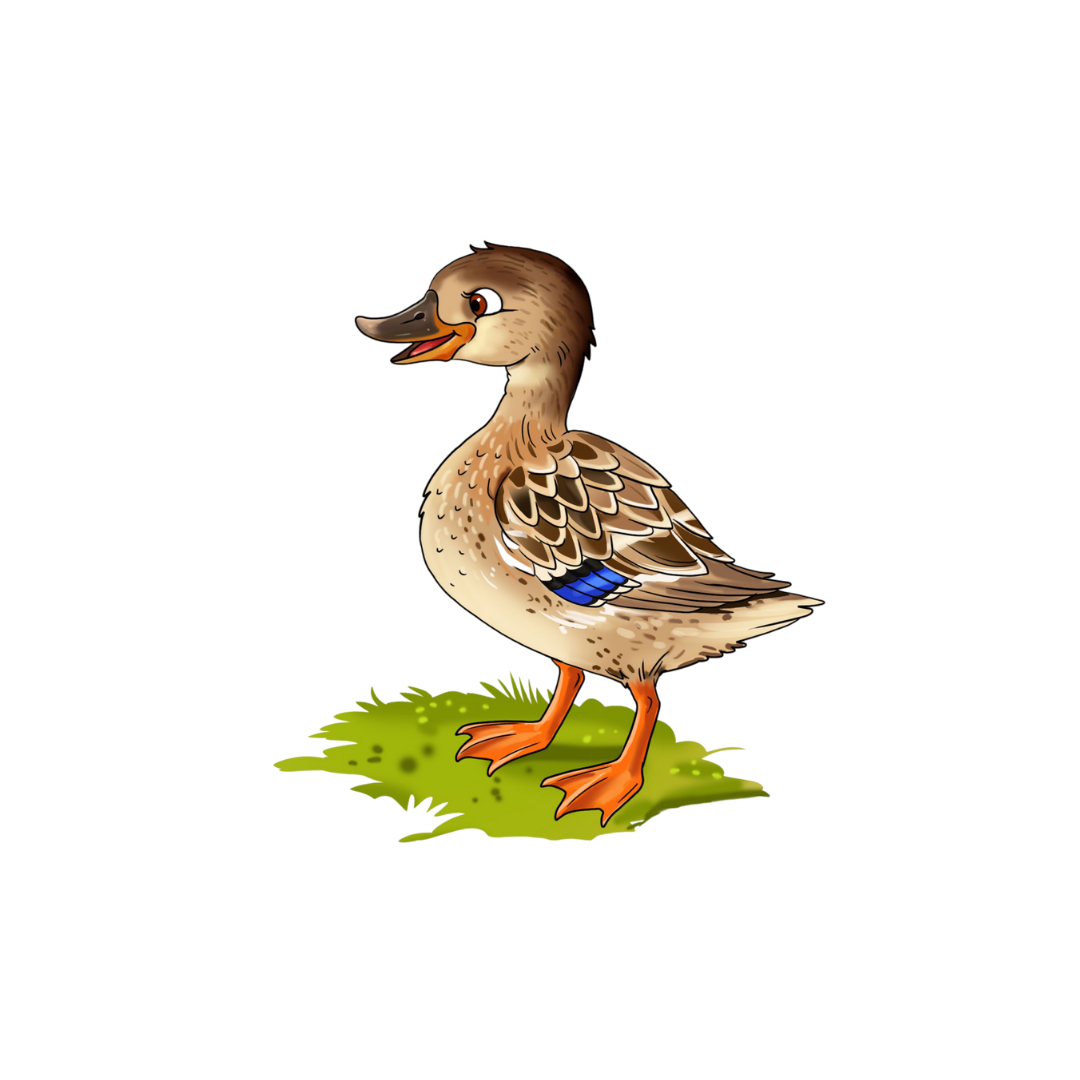
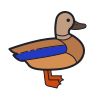
In my experience, counting songs and playful stories help too, especially for children who learn best through rhythm and repetition. That is one reason I created stories with movement, pattern, and playful repetition in mind. One of the reasons I wrote Dilly Duck Plays All Day is because I wanted children to discover that math can be playful. As Dilly counts, explores, and enjoys adventures with friends, children naturally practice one-to-one counting, prediction, and early number concepts without feeling like they are doing schoolwork. They simply think they’re having fun.
What number sense looks like in real life
I still smile when I watch a preschooler insist that one teddy bear has “more” because it’s bigger, even though both bears are sitting beside three blocks. Moments like that remind me that children are trying to make sense of the world. That is exactly where math begins. Number sense shows up when a child notices who has more crackers, which tower is taller, or whether there are enough cups for everyone at the table. It also appears when children begin to understand that the last number counted tells how many there are altogether.
I believe this is where many adults can make the biggest difference. Instead of asking only, “What number is that?” try asking, “Which group has more?” “How do you know?” or “What do we need so everyone gets one?” Those questions invite thinking, not just memorizing.
Shapes, patterns, and sorting matter too
A strong guide to preschool math skills has to make room for much more than numbers. Shapes, patterns, sorting, and comparing are all early math. In fact, some children grasp these concepts before they are comfortable counting.
When children sort buttons by color, line up toy animals by size, or clap a simple pattern, they are building the kind of logical thinking that supports later math success. The same is true when they notice circles in a clock, rectangles in a door, or triangles in a slice of pizza.
I often tell adults not to rush past these skills because they seem easier or less academic. They are deeply important. Sorting teaches children to notice attributes. Patterns help them predict what comes next. Shape play builds spatial awareness. All of that supports later work with addition, subtraction, measurement, and geometry.
How to build preschool math without making it feel like a lesson
Young children learn best when math is woven into warm, familiar moments. I have seen wonderful growth happen when adults simply narrate what they are already doing.
At the grocery store, you can compare sizes, count oranges, and talk about full and empty. During bath time, children can pour, fill, and estimate. While setting the table, they can match one plate to each chair. Outdoors, they can collect sticks, compare lengths, and notice patterns in leaves and flowers.
The key is not to turn every moment into a quiz. That can cause frustration quickly. Instead, make observations out loud, ask simple questions, and let children handle real objects whenever possible. Preschoolers need hands-on experiences. They are not meant to learn math by sitting still for long stretches.
Signs Your Preschooler Is Becoming a Little Mathematician
One of the joys of working with young children is watching them discover math without even realizing it. They may not call themselves mathematicians, but every time they count, compare, sort, or solve a simple problem, they are building the foundation for future learning.
Over the years, I learned not to ask, “How high can this child count?” Instead, I looked for the little moments that showed me a child was beginning to make sense of the world through math.
Your preschooler is becoming a little mathematician when they:
Count a small group of objects and understand that the last number tells how many there are. Notice which group has more, less, or the same amount. Sort toys, buttons, or blocks by color, size, shape, or another feature. Recognize simple patterns and predict what comes next. Name familiar shapes they see in everyday life, like circles, squares, triangles, and rectangles. Begin using math words naturally, such as bigger, smaller, taller, shorter, first, next, and last. Solve simple everyday problems, like making sure everyone has a cup at snack time or figuring out how many napkins are needed for the table.
Remember, children develop these skills at different rates. One child may love counting but still struggle with patterns. Another may notice shapes everywhere yet need more time to connect number words with real objects.
That does not mean one child is “better at math” than another. It simply means they are building their understanding in different ways. My advice is to celebrate progress, keep learning playful, and trust that those small everyday moments are adding up to something wonderful.
When preschool math feels hard
Sometimes a child resists counting, avoids puzzles, or becomes upset when asked to compare groups or follow a pattern. When that happens, I encourage adults to step back and simplify. Too much correction can make a child feel that math is something they are bad at, and that feeling can settle in early.
I believe it helps to ask a few gentle questions. Is the task too abstract? Is the child tired? Are there too many directions at once? Would movement help? A child who struggles to count blocks at a table may happily count jumps, steps, or toy ducks in the bathtub.
This is one place where stories can support learning beautifully. Children often enter a concept more willingly through characters and play than through direct instruction. A child who resists formal practice may be delighted to count along with a favorite read-aloud or sort colorful objects after a story about friendship, kindness, or everyday adventures.
A simple guide to preschool math skills for home and classroom routines
I have found that consistency matters more than complexity. Five minutes of math-rich conversation each day does more than an occasional big lesson. If you want a gentle starting place, build math into routines you already have.
Morning routines can include counting the days on a calendar or noticing shapes in breakfast foods. Clean-up can involve sorting toys into groups. Story time can invite children to notice patterns, sizes, or positions like under, over, and beside. Outdoor play is perfect for measuring with footsteps, collecting sets of natural objects, and comparing what is heavy or light.
For teachers, I always suggest looking at transitions and center time. Those parts of the day are full of natural math. For families, I suggest using what is already in the house. You do not need expensive materials. Socks, spoons, cereal pieces, blocks, crayons, and stuffed animals are wonderful math tools.
What matters most is the tone you set. If math feels playful, children lean in. If it feels like a test, many pull back.
The goal is confidence, curiosity, and connection
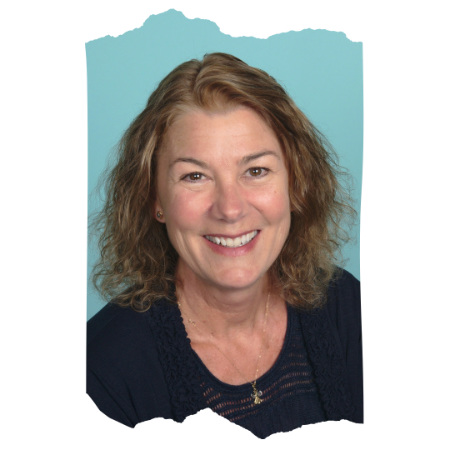
After 35 years in education, I believe the best preschool math teaching helps children feel capable. Yes, we want them to count, sort, compare, and recognize shapes. But even more than that, we want them to say, “I can figure this out.” That confidence carries into kindergarten and far beyond.
So if you are teaching a preschooler, take a breath and keep it simple. Count the blueberries. Match the socks. Build the tower. Talk about the shapes in the room. Read playful books. Laugh together when the pattern gets silly. Those small moments are doing big work, and children feel that warmth.
From My Bookshelf 📚 One of the reasons I created Dilly Duck Plays All Day was to help children discover that learning can be joyful. Through counting, rhyme, movement, and playful adventures, children build early math skills without the pressure of a lesson.
Explore my children’s books, playful learning activities, and free resources at bookchatterpress.com, where stories help grow curious minds, kind hearts, and confident learners.
Stories that teach. Characters that care. Learning that feels like fun.