



Some preschoolers can recite numbers to 10 with a big grin and still hand you three blocks when you ask for five. That is why counting books for preschoolers matter so much. A strong counting book does more than help children say number words in order. It helps them connect numbers to real quantities, notice patterns, build vocabulary, and enjoy the kind of back-and-forth learning that makes early math feel friendly.
For families and educators, that distinction matters. Rote counting is a starting point, but school readiness grows when children begin to understand what numbers mean. The best read-alouds support that growth in a way that feels playful, predictable, and warm.
What makes counting books for preschoolers work?
At this age, children learn best when they can hear, see, point, move, and respond. A preschool counting book should invite participation instead of asking a child to sit still and absorb information. Rhyming text helps because it creates rhythm and memory. Clear illustrations help because children can match the spoken number to visible objects. Repetition helps because young learners thrive on hearing the same structure again and again.
Just as important, the numbers need to be developmentally appropriate. Some preschoolers are ready to count from 1 to 5 with confidence. Others are working on 1 to 10, while older preschoolers may enjoy counting beyond 10. A book is only helpful if it meets the child where they are. If the page is crowded with tiny objects or the counting jumps too quickly, frustration can replace confidence.
The strongest counting books also leave room for conversation. You might ask, “Can you find four ducks?” or “What happens if one more joins them?” Those small questions turn a passive read-aloud into early math instruction without making it feel formal.
Why counting books support more than math
Counting is often treated like a narrow skill, but in preschool, it touches almost everything. When children listen to a counting story, they are also building attention, expressive language, listening comprehension, and visual discrimination. If the story includes animals, seasons, feelings, or routines, they are learning content vocabulary too.
That is one reason picture books are such a helpful tool for kindergarten readiness. A child who points to each item while saying a number is practicing one-to-one correspondence. A child who notices that six is more than four is beginning to compare quantities. A child who predicts what number comes next is building sequencing skills. These are foundational abilities that support classroom learning later on.
There is also an emotional side to the experience. When a child curls up with a trusted adult and enjoys a counting story, math becomes linked with connection rather than pressure. That emotional climate matters. Children are more willing to try, repeat, and persist when learning feels safe.
How to choose the best counting books for preschoolers
The right book depends on the child, the setting, and the goal. A quiet bedtime read may work best with gentle rhyme and soft illustrations. A preschool classroom read-aloud may need bolder pictures, stronger repetition, and clear opportunities for group participation.
Look first at visual clarity. Can a child easily identify the objects being counted? Pages that are beautiful but overly busy can make counting harder than it needs to be. Preschoolers benefit from illustrations that highlight the quantity in a simple, concrete way.
Next, consider the language. Short, rhythmic sentences are easier for young children to follow and repeat. If the text is too long, the counting concept can get lost. If it is too sparse, the book may feel flat and forgettable. The sweet spot is language that sounds good aloud and gives the adult natural prompts for interaction.
It also helps to think about what kind of counting the book teaches. Some books focus on counting forward. Others include counting backward, which can be especially engaging in playful or suspenseful stories. Some introduce number recognition alongside counting, while others strengthen comparing, grouping, or patterning. None of these approaches is automatically best. It depends on what the child is ready for.
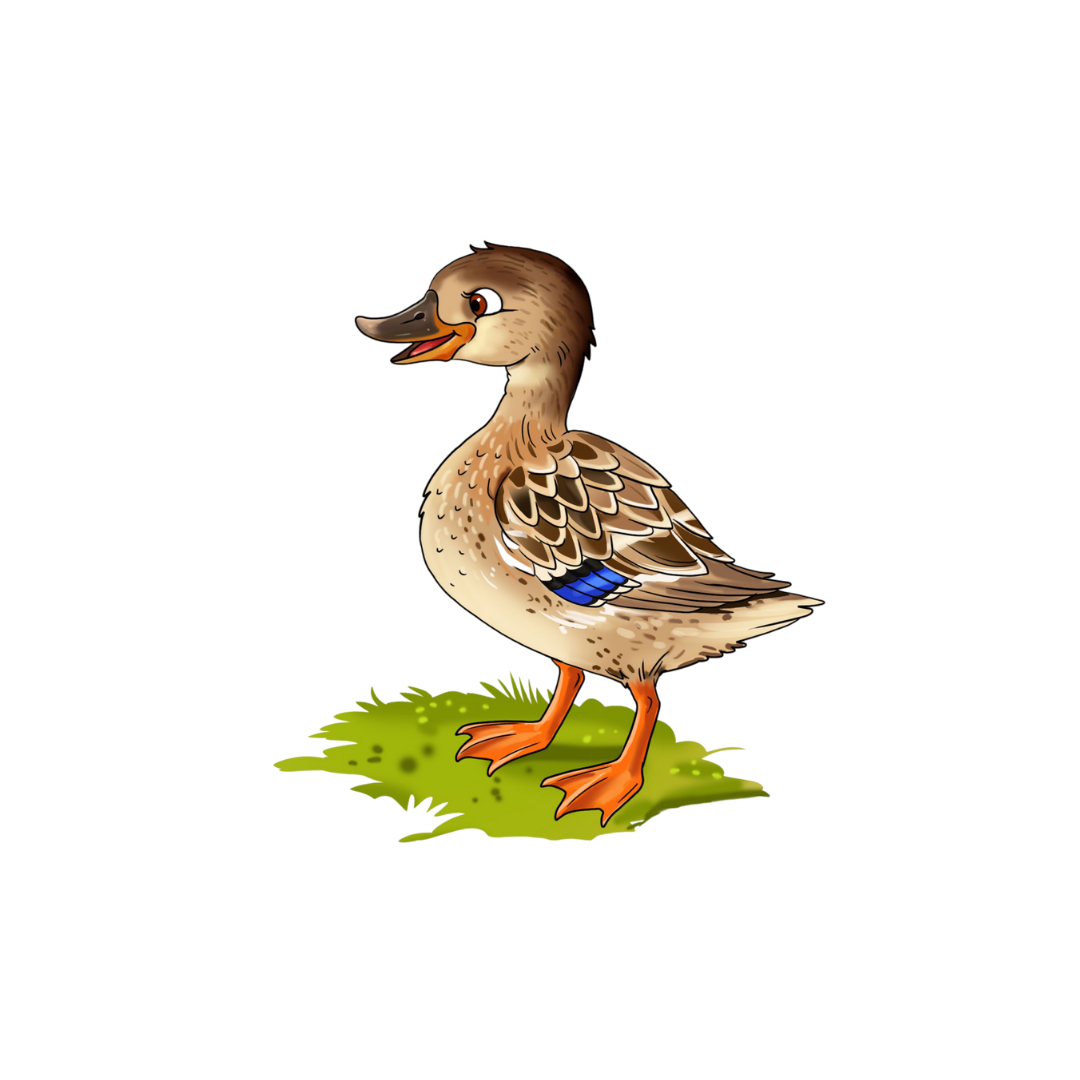
Relatable themes matter too. Preschoolers often connect more quickly with books about animals, food, toys, family life, or outdoor adventures. When the subject feels familiar, the counting practice feels grounded in their world. Award-winning picture book Dilly Duck Plays All Day written by an early childhood expert is an example of one story that will engage and teach: https://bookchatterpress.com/
What to look for during read-aloud time
A good counting book is only part of the equation. The way it is read can make the learning much richer.
When you read, slow down enough for children to point to each object. Many adults naturally move too quickly through number pages, especially when they already know the answer. Preschoolers need time to match each spoken number word to one object. That pause supports real understanding.
It also helps to reread favorite pages. Repetition is not a problem in early childhood. It is often the path to mastery. The first reading may be about enjoying the story. The second may be about joining in with number words. By the third or fourth reading, a child may start leading parts of the count independently.
You can gently extend the learning with simple prompts. Ask which group has more. Ask what comes after seven. Ask whether the objects could be counted a different way. These conversations do not need to be long. A few thoughtful questions can strengthen number sense while keeping the reading experience joyful.
Movement helps many preschoolers as well. Clapping, tapping, hopping, or holding up fingers while counting can anchor abstract ideas in the body. That is especially useful for children who are active, wiggly, or still developing language.
Common mistakes with preschool counting books
One common mistake is choosing books that are too advanced because the child can recite numbers. Saying numbers in order is not the same as counting objects accurately. A child may chant to 20 and still need practice counting three buttons on a page. There is nothing wrong with that. It simply means the teaching goal should be clearer.
Another mistake is correcting every error too quickly. If a child skips an object or counts one twice, gentle support works better than immediate pressure. You might say, “Let’s try again and touch each one together.” That keeps the moment encouraging instead of tense.
It is also easy to lean too heavily on number recognition alone. Seeing a numeral is valuable, but preschool math should remain concrete. Young children need to count real or pictured items again and again before numerals carry much meaning on their own.
And sometimes adults expect every counting book to teach every skill. One book may be wonderful for rhyme and number order but weaker for one-to-one correspondence. Another may be excellent for visual counting but less memorable in language. That is normal. A small mix of books often works better than searching for one perfect title.
Building a richer routine with counting books for preschoolers
The most meaningful progress happens when books connect to everyday life. After reading about five apples, count five crackers at snack time. After a story about animals, line up toy animals and count them together. After reading a rhyming number book, invite children to jump 10 times or place 4 blocks in a tower.
This is where school-readiness learning really comes alive. Books give children a shared language and a memorable experience. Real-life practice helps the skill stick. Together, they create the kind of gentle repetition preschoolers need.
For classrooms, a counting book can become part of circle time, center work, and transition routines. For families, it can live in the bedtime basket or come out before dinner when a child needs a calm, connected activity. The setting does not need to be elaborate. What matters is consistency.
If you are choosing resources with both heart and educational purpose, look for books that respect the way young children actually learn. Warm illustrations, engaging rhythm, interactive counting, and room for conversation all make a difference. That child-centered balance is part of what many families appreciate in early learning titles from publishers like Book Chatter Press.
When a child does not seem interested in counting books
Sometimes a child resists counting books not because they dislike math, but because the format misses their interests or developmental stage. A child who loves trucks may ignore a counting book about flowers and become fully engaged by one about construction vehicles. Another child may prefer silly rhyme over calm narration.
It is also possible that the skill feels hard. If so, scale back. Choose books with fewer objects per page, stronger visual contrast, and more repetition. Let the child listen without pressure to answer every question. Confidence often grows when the demand lowers just enough.
And if a preschooler wants to linger on one page, count the same items three times, or talk more than listen, that can still be productive. Early learning is rarely linear. Curiosity, repetition, and conversation are often signs that the brain is doing important work.
The best counting books do not rush children toward performance. They invite children into patterns, language, and meaning with warmth and wonder. When a book helps a preschooler laugh, point, predict, and proudly count what they can see, it is doing exactly what early childhood learning should do. Keep the experience playful, keep it consistent, and trust that those small moments on the couch or classroom rug are building something lasting.