






Some of the most meaningful learning moments happen with a child tucked into your side, turning a page slowly, asking for the same line again. That is the quiet power of read aloud bonding books. They do more than fill a bedtime routine or circle time slot. They help children feel seen, safe, and connected while building the language, listening, and emotional skills that support early learning.
For babies, toddlers, preschoolers, and children in the early grades, being read to is not just a literacy activity. It is a relationship activity. The sound of a trusted adult’s voice, the rhythm of repeated phrases, and the back-and-forth of questions and reactions all work together. A good read-aloud gives children warmth and wonder, but it also gives them structure, vocabulary, and the early foundations they will carry into school.
What makes read aloud bonding books different?
Not every children’s book creates the same kind of shared experience. Some books are entertaining but passive. Others invite closeness. The best read aloud bonding books are written with the child and the adult in mind at the same time.
They often have strong rhythm, playful repetition, and language that feels good to say out loud. They leave room for eye contact, cuddles, giggles, and conversation. They also tend to meet children where they are developmentally. A baby may respond to contrast, melody, and a familiar voice. A preschooler may join in on repeated refrains. A kindergartner may connect through humor, prediction, or emotional insight.
That is one reason rhyming picture books and patterned text are so effective. Children begin to anticipate what comes next, and that sense of prediction builds confidence, attention, and a feeling of success.
During my 35 years as an educator, I saw that the most powerful learning often happened when children did not realize they were “learning” at all. They were laughing, repeating a favorite line, asking questions, and connecting with the adult beside them.
That belief now guides every story I write. My goal is always the same: create books that children want to hear again and again while giving parents, grandparents, and educators meaningful moments to share.
Why read aloud bonding books support school readiness
Parents often think of bonding and learning as two separate goals. In early childhood, they are deeply connected. When a child feels emotionally secure during reading time, the brain is more open to language, memory, and interaction. Connection is not extra. It is part of how young children learn.
Shared reading helps children hear the sounds of language, notice patterns, and build vocabulary long before they can decode words on their own. It also teaches them how books work. They learn to turn pages, follow a sequence, notice illustrations, and connect words with meaning. These may seem like small steps, but together they form the base for later reading success.
There is also a social-emotional side that matters just as much. When a child sits close and listens to a caring adult read with expression, they are practicing attention, regulation, empathy, and turn-taking. They are learning that stories can help make sense of feelings and experiences. That kind of emotional literacy supports classroom readiness just as much as letter knowledge does.
The age factor: what bonding looks like at different stages
A bonding book for a six-month-old will not work in exactly the same way for a five-year-old, and that is perfectly fine. The goal is not to find one magical title for every stage. The goal is to choose books that fit the child in front of you.
For babies, simple visuals, high-contrast images, soothing rhythm, and musical language matter most. Long before children understand every word, they are learning through your voice, facial expressions, and the comfort of being close.
That connection is what inspired me to create Baby’s Black & White Songbook. Combining classic nursery rhymes with high-contrast images gives babies something developmentally appropriate to explore while giving caregivers something even more important: a reason to pause, sing, smile, and share a moment together.
Toddlers usually enjoy repetition, movement, sound play, and books they can help “read” from memory. Preschoolers are ready for a little more story, humor, and participation. They often love books that invite prediction, counting, naming, or noticing patterns. Children approaching kindergarten benefit from read-alouds that still feel cozy and fun but also strengthen listening stamina, vocabulary, print awareness, and early phonological skills.
That is where intentional story design can make a real difference. A book can be warm and playful while still supporting educational growth.
Choosing read aloud bonding books with lasting value
The best books to read aloud are not always the flashiest. They are the ones children ask for again. Re-reading matters because repeated exposure helps children internalize language and deepen understanding. The trade-off, of course, is that adults sometimes get tired of repetition before children do. That is why it helps to choose books with language that remains enjoyable after the tenth reading.
Look for stories with a strong read-aloud flow, emotional warmth, and something worth noticing each time. A layered picture book can offer one experience to the child and another to the adult reading it. Maybe there is a rhythm that feels musical. Maybe the illustrations invite conversation. Maybe the story opens the door to kindness, grief, resilience, or early literacy without feeling heavy-handed.
I was reminded of the power of stories when my son Joseph and I wrote Roy the Koi: The Fish Who Lived Forever. Inspired by a real koi fish who touched many hearts, Roy’s story was created to help families have gentle conversations about love, loss, and the memories that stay with us.
Not every bonding moment comes from a silly or cheerful story. Sometimes the most meaningful read-alouds happen when a book gives children words for feelings that are difficult to explain. In those moments, stories become a bridge between emotion, understanding, and comfort.
How to make read-aloud time more connecting
The book matters, but the way you share it matters too. Children do not need a polished performance. They need your presence.
Read a little more slowly than feels natural at first. Pause when your child points, reacts, or asks a question. Let them hold the book, repeat a favorite phrase, or talk about the pictures. If they wiggle, that does not mean the reading “failed.” Some children listen best while moving, cuddling a stuffed animal, or turning pages themselves.
It also helps to release the pressure to finish every book exactly as written. If your toddler wants only the animal sounds, follow that interest. If your preschooler wants to count the ducks on every page, that is learning. If your child wants the same book three nights in a row, repetition is building comfort and mastery.
With older preschoolers and kindergarteners, you can gently extend the experience by asking simple questions like, “What do you notice?” or “How do you think that character feels?” You do not need a lesson plan. A warm conversation after a read-aloud often does more than a formal quiz ever could.
Books that teach and bond at the same time
Families and educators are often looking for books that feel loving without being purely sentimental, and educational without feeling dry. That middle ground is where many of the strongest read-alouds live.
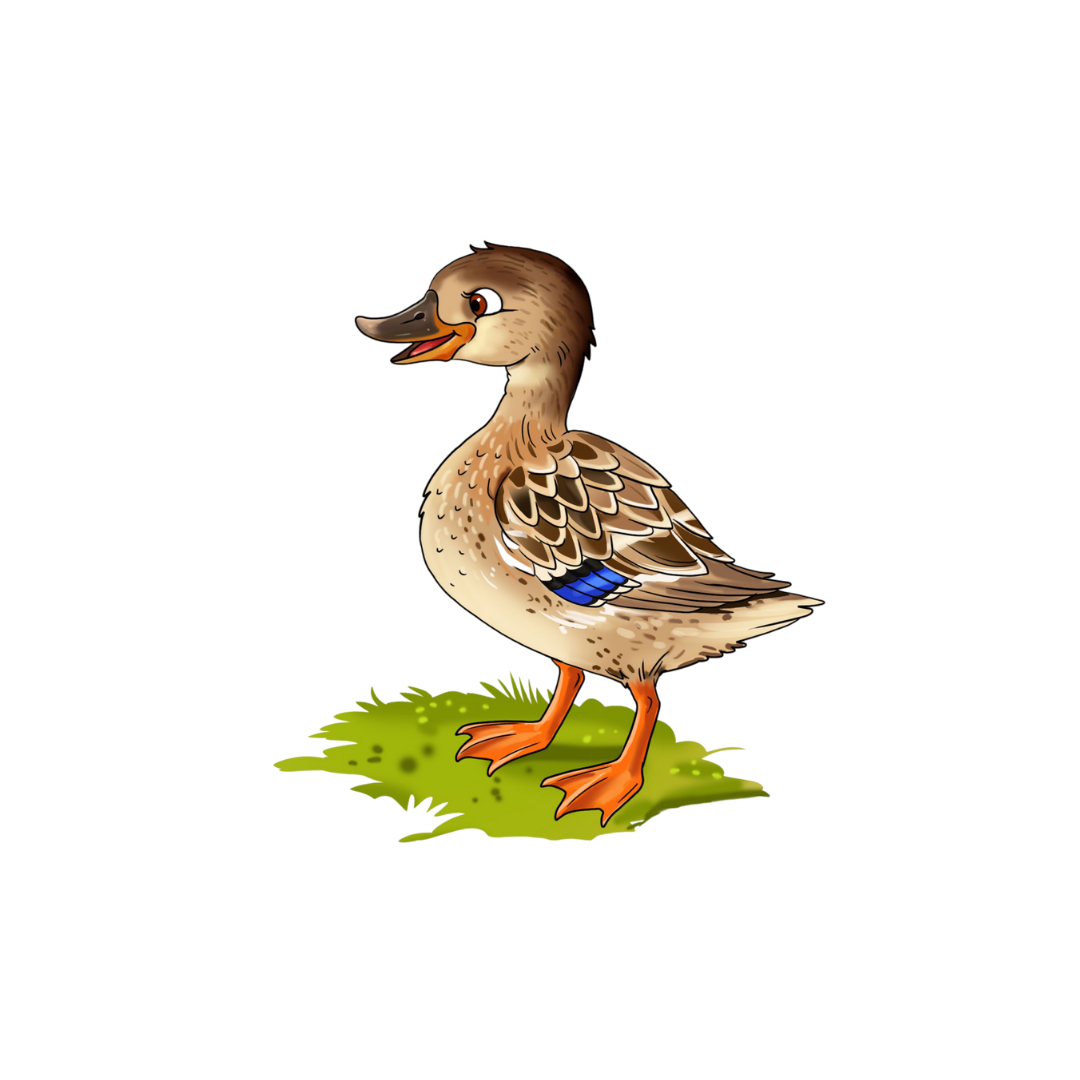
This is one of the reasons I created my Dilly Duck and Friends series. I wanted children to laugh, rhyme, count, wonder, and care about the characters while naturally building important early skills.
Whether children are counting along with Dilly, learning about kindness and differences, caring for nature, or discovering how letters work together in The Best Letter Club: When Consonants and Vowels Unite, my hope is always the same: children remember the joy of sharing a story.
For adults, this kind of book offers reassurance. You are not choosing between connection and learning. You can build both in the same moment. That is especially valuable for busy families, grandparents who want meaningful time together, and educators who want circle time to feel personal rather than scripted.
Find my award-winning children’s books, playful learning activities, and free resources for families and educators at www.bookchatterpress.com.
Helping grow curious minds, kind hearts, and confident learners, one story at a time.
When read aloud bonding books work best
There is no single perfect time to read aloud. Bedtime is wonderful, but it is not the only option. Some children are most receptive first thing in the morning, after lunch, or during a calm reset after a hard moment. What matters most is consistency and emotional availability.
Even five or ten minutes of shared reading can have an impact when it happens regularly. A short daily ritual often does more than an occasional long session. Children begin to associate books with comfort, attention, and joy. Over time, that shapes not just their skills but their identity. They start to see reading as something that belongs to them.
For families and classrooms wanting a little extra support, free educational resources at Book Chatter Press can help extend the value of story time with simple, child-friendly activities. The key is to keep the reading relationship at the center. The worksheet is never the point. The connection is.
A child may not remember every title you read, but they will remember how it felt to be close, heard, and loved while a story unfolded in your voice. That feeling stays with them, and it does good work long after the book is closed.